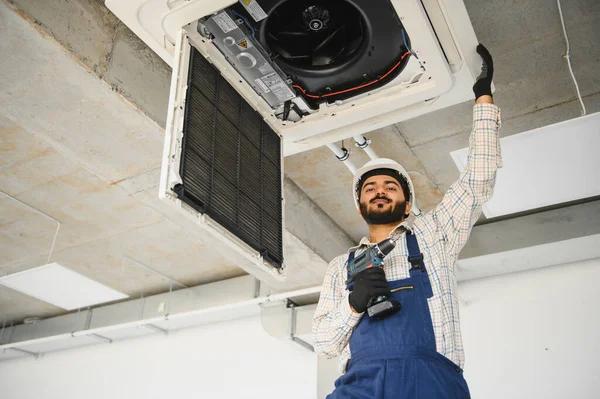
When planning for an HVAC installation, understanding the factors that influence the cost is crucial for effective budgeting. The expense associated with installing a heating, ventilation, and air conditioning system can vary significantly based on several key elements.
One of the primary factors affecting HVAC installation costs is the size of the unit required. Larger spaces demand more powerful systems to ensure efficient heating and cooling, which generally translates into higher costs. The capacity needed is often determined by performing a load calculation, considering aspects like square footage, ceiling height, insulation quality, and window sizes. A properly sized unit not only optimizes energy efficiency but also maintains comfort levels throughout different seasons.
see the site type of HVAC system chosen also plays a significant role in determining installation expenses. There are various options available including split systems, ductless mini-splits, packaged units, and geothermal systems. Each type has its own price range due to differences in technology and efficiency ratings. For instance, while geothermal systems offer excellent energy savings over time due to their high efficiency and use of renewable energy sources from the ground or water bodies nearby; they typically come with higher upfront costs compared to conventional air-source heat pumps.
Another critical factor influencing cost is the complexity of installation itself. This includes considerations such as existing ductwork condition or need for new duct installations if none exist or if current ones are inadequate or outdated; accessibility issues related to where equipment needs placement within your home (attic versus basement); any structural modifications necessary (like reinforcing floors/ceilings), among others – all contributing towards labor intensity hence impacting overall pricing structures accordingly!
Energy efficiency ratings should not be overlooked either when assessing potential expenditures involved here: opting for high-efficiency models might mean paying more initially but could result in lower utility bills long-term thanks largely due reduced consumption rates associated better-performing machines – making them worthwhile investments despite seemingly steep initial outlays required purchase/install these advanced versions compared standard counterparts available market today too!
Additionally worth mentioning would incentives/rebates offered federal/state/local governments encourage homeowners upgrade greener alternatives whenever possible thereby offsetting some initial financial burdens placed upon individuals choosing go route instead sticking traditional methods alone without exploring newer technologies emerging field now rapidly advancing pace ever before seen history industry altogether truly remarkable indeed how far we’ve come short span time relatively speaking course always wise consult professionals beforehand ensure fully informed decisions made every step way process unfolds smoothly efficiently manner desired end results achieved satisfaction guaranteed ultimately benefiting everyone involved alike!