Egg Freezing as a Fertility Preservation Option for Women
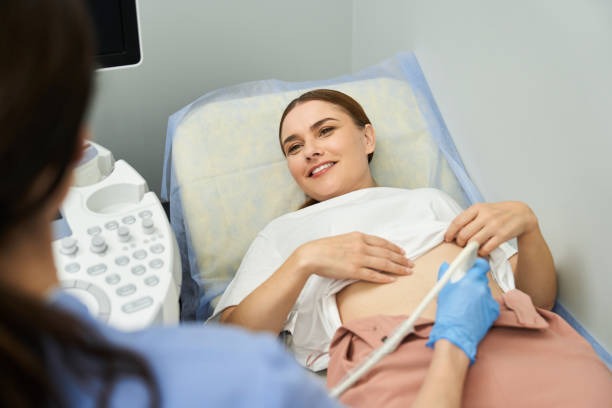
Egg freezing, also known as oocyte cryopreservation, has become an increasingly popular option for women seeking to preserve their fertility for various reasons. This medical procedure involves extracting a woman’s eggs, freezing them unfertilized, and storing them for future use. It offers the opportunity to delay childbearing without significantly compromising the chances of conception later in life. Advances in reproductive technology have improved the success rates of egg freezing, making it a viable choice for many women.
The process begins with ovarian stimulation through hormone injections to encourage the development of multiple eggs within the ovaries. Once mature eggs are retrieved via a minimally invasive procedure called transvaginal ultrasound aspiration, they are rapidly frozen using a method called vitrification. This technique prevents ice crystal formation that can damage cells during freezing and thawing. Frozen eggs can be stored safely for several years until a woman decides to attempt pregnancy.
One primary reason women choose egg freezing for fertility naturally decreases after the mid-30s due to diminishing quantity and quality of eggs. By preserving younger eggs through freezing, women may increase their likelihood of successful pregnancy when they decide to conceive at an older age. Egg freezing is also beneficial for those facing medical treatments such as chemotherapy or radiation therapy that could impair ovarian function and reduce fertility.
While egg freezing provides hope and flexibility, it is important to understand its limitations and considerations. The success rate depends largely on the woman’s age at the time of egg retrieval; younger women generally have better outcomes because their eggs tend to be healthier. Additionally, not all frozen eggs will survive thawing or fertilize successfully during in vitro fertilization (IVF). Therefore, multiple cycles may be necessary to collect an adequate number of viable eggs.
The procedure carries some risks including ovarian hyperstimulation syndrome from hormone treatment and potential complications during egg retrieval like bleeding or infection; however, these occurrences are relatively rare when performed by experienced specialists in controlled settings.
Cost is another factor influencing accessibility since egg freezing can be expensive and often not covered by insurance plans unless medically indicated. Women considering this option should consult with fertility experts who can provide personalized assessments based on individual health profiles and reproductive goals.
In summary, egg freezing represents an important advancement in reproductive medicine offering women greater control over their reproductive timelines while addressing both social choices and medical needs related to fertility preservation effectively.
Head Office
168, BSNL Road, Near BSNL office, Sector 3, Hiran magri, Udaipur, Rajasthan 313001
Call
+91 90018 38800
+91 90019 97440
Email Us
dralkaivf01@gmail.com
Operating Hours
Mon – Sat 9 AM – 6 PM
Sunday 9 AM – 4 PM