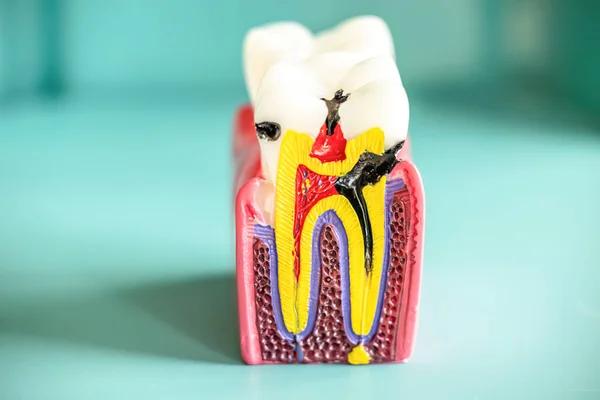
Root canal treatment is a common dental procedure designed to save a tooth that is severely damaged or infected. When decay reaches the innermost part of the tooth, known as the pulp, it can cause intense pain and lead to serious infections if left untreated. The pulp contains nerves and blood vessels essential for tooth development, but once fully matured, a tooth can survive without it if properly treated. Root canal therapy removes the infected or inflamed pulp tissue, cleans and disinfects the inside of the tooth, and then fills and seals it to prevent further infection. This process not only alleviates pain but also preserves natural teeth, which is crucial for maintaining proper chewing function and overall oral health.
Many people fear root canals because of misconceptions about discomfort; however, modern techniques make this treatment relatively painless. Dentists use local anesthesia to numb the area before starting the procedure. Afterward, any soreness typically subsides quickly with over-the-counter pain relievers. By addressing infection promptly through root canal therapy, patients avoid more serious complications such as abscess formation or bone loss around the affected tooth.
One significant benefit of root canal treatment is its ability to provide lasting relief from persistent dental pain caused by inflammation or infection within the pulp chamber. Without intervention, this condition usually worsens over time leading to increased sensitivity and swelling in nearby tissues. Root canals eliminate these symptoms by removing harmful bacteria and damaged tissue inside the tooth structure itself.
Beyond immediate symptom relief, preserving your natural teeth offers long-term advantages for oral health. Extracting an infected tooth may seem like a simple solution but often leads to additional problems such as shifting adjacent teeth or difficulty chewing properly on one side of your mouth. Replacing missing teeth with implants or bridges involves more complex procedures that can be costly and require ongoing maintenance compared to saving your original tooth through root canal therapy.
Following successful treatment, dentists typically recommend placing a crown over the treated tooth for added protection against fracture since teeth become more brittle after root canals due to loss of blood supply. Regular dental checkups are important afterward so professionals can monitor healing progress and detect any potential issues early on.
In summary, root canal treatment plays an essential role in managing severe dental infections while preserving natural teeth for optimal oral function. It offers effective pain relief along with improved long-term outcomes compared to extraction alternatives. Patients experiencing persistent toothache should consult their dentist promptly about whether root canal therapy could restore comfort and protect their smile’s health into the future.