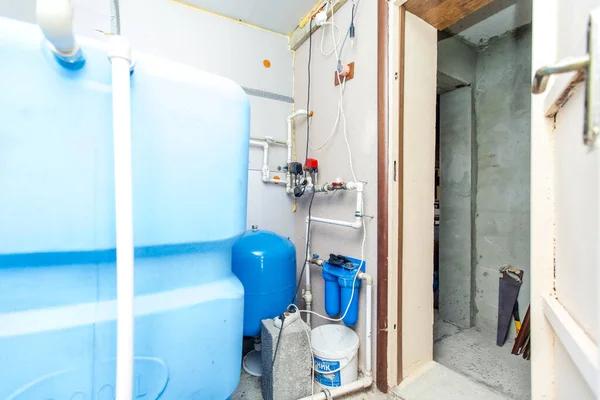
Pressure tanks play a crucial role in water systems, ensuring efficient water delivery and maintaining consistent pressure levels. These vessels are integral to both residential and commercial setups, especially in areas reliant on well systems or where municipal water supply may not be readily available. Understanding the function and benefits of pressure tanks is essential for optimizing water efficiency and ensuring reliable access to water.
At its core, a pressure tank serves as a reservoir that holds a certain amount of pressurized water. This pressurization ensures that when you open a tap or valve, water flows out with sufficient force without the need for continuous pump operation. The tank typically contains an air bladder or diaphragm that separates the air from the stored water. As water fills the tank, it compresses the air above it, creating pressure within the system.
One significant advantage of using a pressure tank is its contribution to energy efficiency. Without such a system, every time there is demand for water—be it flushing toilets, running showers, or watering gardens—the pump would need to activate immediately to meet this demand. Continuous cycling can lead to increased wear and tear on pumps, reducing their lifespan and increasing electricity consumption due to get more info frequent starts and stops.
By storing pressurized water ready for immediate use, pressure tanks reduce how often pumps need to operate. This not only conserves energy but also minimizes mechanical stress on pumping equipment. Consequently, users benefit from lower utility bills and reduced maintenance costs over time.
Moreover, pressure tanks help maintain consistent water flow rates throughout various household activities. In homes without adequate storage solutions like these tanks, users might experience fluctuating pressures during peak usage times—such as mornings when everyone showers simultaneously—which can be inconvenient at best or damaging at worst if appliances require specific pressures for optimal operation.
For those concerned about sustainability and resource conservation efforts aimed at reducing overall consumption levels while maximizing output efficiencies across different applications (from irrigation systems through industrial processes), incorporating properly sized units into existing infrastructure represents one effective strategy toward achieving these goals effectively yet economically viable manner possible given current technological advancements available today’s marketplace offerings alike!
When considering installing or upgrading your current setup with new models designed specifically around enhancing performance capabilities even further than before now possible thanks innovations made recent years alone already showing promise delivering tangible results quickly efficiently no matter what type property owner might have looking improve upon existing conditions found therein accordingly so doing ultimately benefiting everyone involved process end result always positive outcome desired achieved successfully meeting expectations set forth initially outset project undertaken completion thereof fully realized satisfaction guaranteed assuredly indeed!