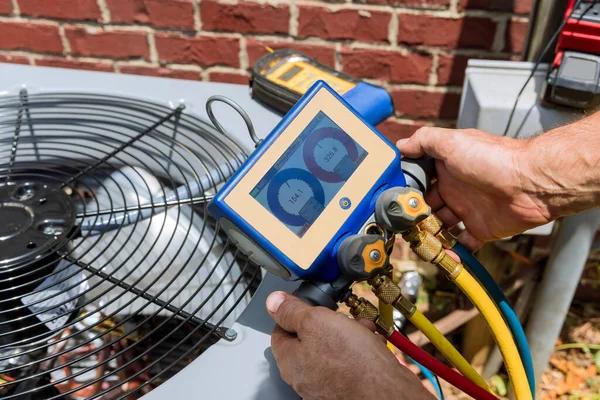
When HVAC (Heating, Ventilation, and Air Conditioning) systems experience issues or inefficiencies, technicians often perform a series of diagnostic tests to identify the root causes. Among these tests is the measurement of static pressure within the system. Static pressure testing is an essential component of HVAC diagnostics because it provides critical insights into the airflow efficiency and overall health of the system.
Static pressure refers to the resistance to airflow in ductwork and other components of an HVAC system. It is akin to blood pressure in humans; just as high or low blood pressure can indicate underlying health problems, abnormal static pressure levels can signal potential issues within an Bellevue HVAC Services system. Measuring static pressure allows technicians to assess how hard a system must work to distribute air throughout a building. If static pressures are too high or too low, it may suggest blockages, leaks, or improperly sized ducts that could lead to inefficient operation or even damage over time.
One primary reason for measuring static pressure during diagnostics is its ability to reveal hidden obstructions in ductwork. Over time, dirt, dust, and debris can accumulate within ducts or on filters and coils. These obstructions increase resistance against airflow—raising static pressure—and forcing fans and blowers to work harder than necessary. This additional strain not only reduces energy efficiency but also accelerates wear-and-tear on mechanical components.
Moreover, measuring static pressure helps identify mismatches between various components’ capacities within an HVAC system. For instance, if a blower motor designed for lower capacity operates with ductwork intended for higher capacity systems—or vice versa—it results in improper balancing that affects both performance and longevity of equipment parts involved.
Another critical aspect revealed through this measurement involves detecting leaks present either at connections between different segments along ventilation paths themselves (e.g., seams) which allow conditioned air escape before reaching intended spaces; such losses contribute significantly towards increased utility bills without delivering corresponding comfort improvements indoors!
Furthermore: understanding how well current installations handle existing demands empowers informed decision-making regarding upgrades/replacements needed enhance future operational efficiency while reducing costs associated maintenance/repairs down line! By pinpointing precise areas requiring attention based upon accurate data obtained via comprehensive analysis performed routinely as part preventative care strategy ensures optimal functionality maintained across lifespan respective units serviced under contract agreements signed clients who value quality assurance provided reputable companies specializing field expertise unparalleled elsewhere marketplace today!
In conclusion: measuring static pressures during routine diagnostic checks represents integral practice ensuring continued reliability effectiveness modern-day heating/cooling solutions deliver desired outcomes consistently year-round regardless external conditions faced beyond control those responsible maintaining them peak condition always!